Ousted South Korean President Yoon Suk-yeol is not backing down. Days after receiving a life sentence for leading an insurrection, he is still defending his actions and questioning the court that convicted him. The ruling marks one of the most dramatic political falls in South Korea’s modern history.
The verdict stems from Yoon’s failed attempt to impose martial law in December 2024. That decision lasted only six hours, yet it triggered a political shockwave that has not stopped since. It ended his presidency, split the country, and now has landed him behind bars for life.
A Six-Hour Crisis That Changed Everything

GTN / On February 19, 2026, the Seoul Central District Court found Yoon guilty of orchestrating a rebellion.
The court ruled that he mobilized military and police forces in an illegal attempt to seize control of the National Assembly and arrest political opponents. Judges said the move was not an act of national defense but a bid for unchecked power.
Presiding Judge Jee Kui-youn stated that Yoon showed no remorse for the social and political damage caused by the decree. The court also noted that Yoon repeatedly refused to appear in court without valid reasons. That behavior, the judge said, showed disregard for the judicial process.
The failed power grab rattled financial markets and froze political decision-making. Lawmakers rushed to block the decree, and citizens watched in disbelief as troops surrounded key government buildings. Within months, the National Assembly impeached him, and he was formally removed from office in April 2025.
Yoon insists he acted for the country’s safety. In a statement released through his lawyers, he claimed the martial law declaration was made solely for the nation and its people. He accused the Seoul Central District Court of bias and questioned the fairness of the trial.
Defiance From a Prison Cell
Yoon’s first reaction after sentencing was not an apology. Instead, he expressed deep skepticism about continuing his legal battle. He suggested that judicial independence could not be guaranteed and hinted that an appeal might not matter.
His lawyer, Yoo Jeong-hwa, later clarified that Yoon was speaking emotionally and had not given up his right to appeal. Under South Korean law, he has seven days to file that appeal. His legal team is expected to fight the ruling aggressively.
However, the ruling did not stop with Yoon. Five former military and police officials were also convicted for their roles in enforcing the decree. Among them was former Defense Minister Kim Yong Hyun, who received a 30-year prison sentence for helping plan the operation and instructing military intelligence to detain politicians, including current President Lee Jae Myung.
Another key figure, former Intelligence Commander Noh Sang-won, received 18 years in prison. Prosecutors argued that these officials actively participated in the attempted seizure of power. The court agreed, saying their actions went beyond following orders.
The case has drawn comparisons to South Korea’s authoritarian past. Yoon is the first former president to receive a life sentence since Chun Doo-hwan, who was sentenced to death in 1996 before later receiving a pardon.
The Nation is Split Down the Middle

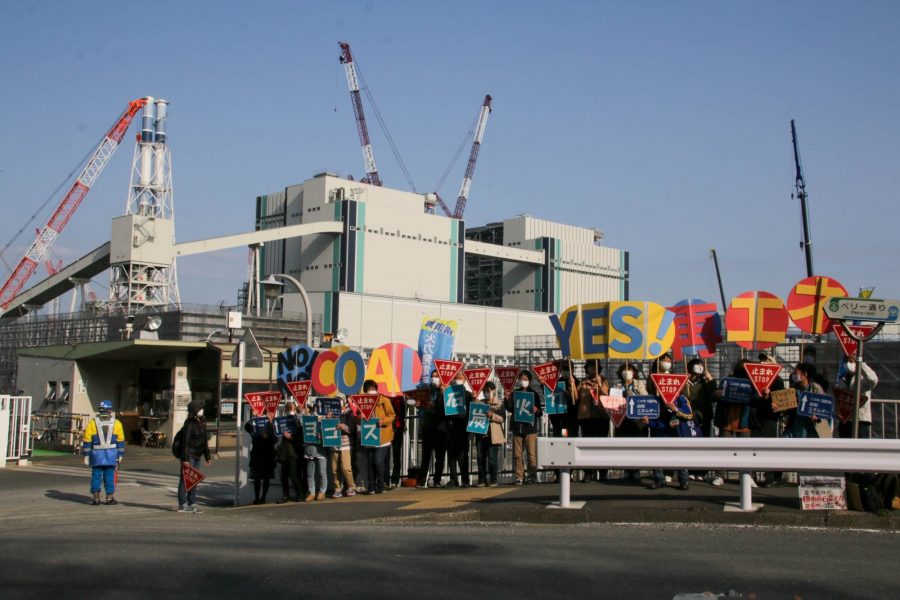
E News / Outside the courthouse, conservative supporters waved banners and chanted Yoon’s name. Some said the trial was political revenge rather than justice.
Just streets away, opponents celebrated. They argued that the sentence proved South Korea’s democracy could defend itself. Some critics even said the punishment was too light, pointing out that prosecutors had sought the death penalty.
Leaders from the ruling Democratic Party welcomed the conviction but criticized the life sentence as insufficient. Party leader Jung Chung-rae said Yoon masterminded an insurrection that shook the nation’s foundations. His comments reflect a belief among many progressives that the attempted power grab threatened decades of democratic progress.
Yoon’s former party, the People Power Party, has signaled it will stand by him. Party leader Jang Dong-hyuk argued that the court failed to prove the actions amounted to rebellion. The party plans to support the appeal process and challenge what it calls weak legal reasoning.