Parents expect infant formula to be one of the safest foods money can buy. That trust cracked after a global recall sent shockwaves through the baby food industry. Some of the biggest formula brands in the world pulled products after tests found a dangerous toxin tied to a Chinese-made ingredient.
The problem surfaced when routine checks detected cereulide, a toxin made by the bacterium Bacillus cereus, in prepared infant formula. The toxin survives heat, resists processing, and harms infants. Symptoms include violent vomiting, diarrhea, nausea, and stomach pain. For babies, nonstop vomiting can turn deadly fast due to dehydration.
French authorities confirmed the source traced back to a single Chinese supplier. The contaminated ingredient was arachidonic acid oil, also known as ARA oil, a common omega-6 additive in premium formulas. It boosts nutrition on paper, but in this case, it carries a serious risk.
What made the discovery more alarming was the timing. Early tests on the dry powder passed safety checks. The toxin only appeared once the formula was prepared, which delayed detection. Investigators later found the ARA oil entered Europe through a Dutch distributor, though it was produced in China.
The Recall Crossed Borders
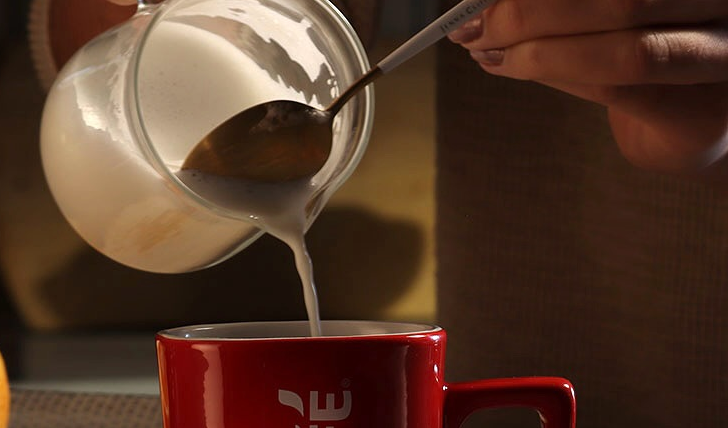
Nestlé / IG / More than 800 products from over ten factories were pulled from shelves across more than sixty countries.
Affected Nestlé brands included SMA, Beba, Guigoz, and Alfamino. Some of these products had been sold since May 2025. That long window raised sharp questions from parents and regulators who wanted to know why the alarm came so late.
Lactalis followed with its own recall days later. The company pulled six batches of its Picot infant formula sold in eighteen countries, including China. These products had been on the market since January 2025, adding to fears that exposure may have gone unnoticed for months.
Danone took a different route. At the request of Singapore health officials, the company stopped one shipment before it reached store shelves. The recall involved a single batch made in Thailand. Danone said no cereulide was found, but acted out of caution to avoid risk.
Together, these recalls touched dozens of markets and millions of households. Retailers rushed to clear shelves while parents scanned lot numbers and scrambled for safe alternatives. Trust, once shaken, proved hard to restore overnight.
Investigations, Anger, and Legal Pressure
Regulators wasted little time opening investigations. French authorities launched a judicial inquiry to examine a possible link between Nestlé’s Guigoz formula and the death of an infant in December 2025. Early findings were expected within days of the recall announcement, adding pressure on all sides.
Consumer groups did not hold back. The watchdog group Foodwatch accused Nestlé of delaying public warnings. According to the group, Dutch authorities were informed on December 9, 2025, after lab tests were completed in late November. Public recalls did not begin until January 2026.
Foodwatch and other advocates argue that quiet recalls fail families. They say silent withdrawals protect brand image while parents stay in the dark. For infant formula, where mistakes carry severe consequences, they believe anything short of loud public alerts is unacceptable.
A spokesperson from the Chinese Foreign Ministry said he was not aware of the specific case but stressed that China takes food safety seriously. The statement did little to ease international concern.
A Supply Chain Weak Spot Exposed
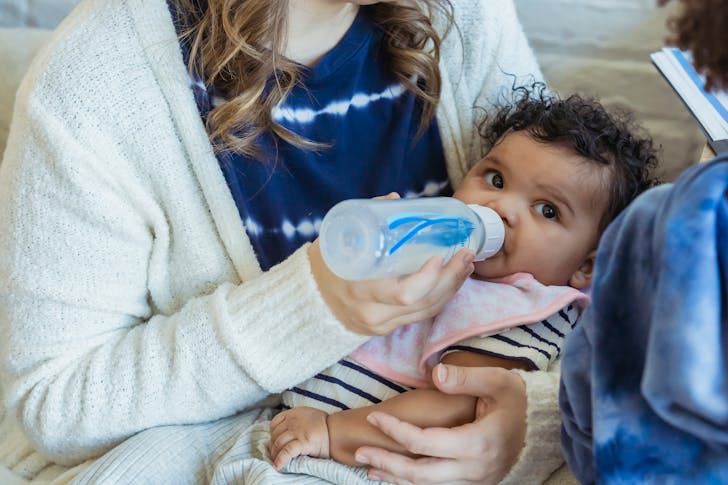
Keira / Pexels / Global infant formula depends on long supply chains that stretch across continents. One ingredient from one supplier can reach dozens of brands before anyone notices a problem.
A French agriculture official said nearly all infant milk producers could have been affected. The same ARA oil supplier had shipped ingredients widely. Even companies with strong testing systems struggled to catch the toxin early.
The case also revived memories of past food safety scandals involving Chinese suppliers. Those incidents pushed Beijing to tighten oversight years ago. This new episode suggests gaps still exist, especially when ingredients move through multiple countries before final use.