Black Friday used to feel like a thrill ride. People lined up before sunrise, stores were packed out, and the deals felt rare. Today, the energy is different. The rush is slower, the excitement is softer, and the spark that once defined the day has dimmed. Many shoppers now wonder if Black Friday even matters anymore.
A big part of this shift comes from how the event changed over time. What started as a one-day blowout turned into a long season of repeated sales. When something stretches too far, it loses its punch. That is exactly what happened here, and the results are showing up in spending habits, trust levels, and even cultural attitudes.
The Slow Dilution of a Retail Event
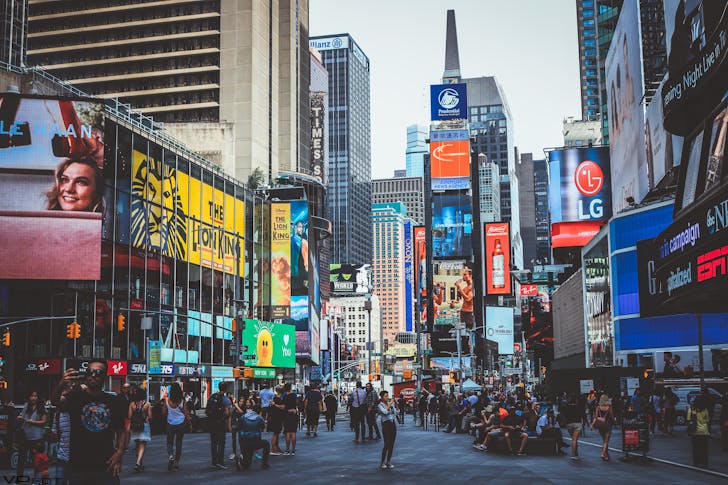
Vlad / Pexels / Black Friday once revolved around a single day of bold discounts that felt truly scarce.
Retailers guarded those deals carefully, saving their most dramatic price cuts for the Friday after Thanksgiving. It created a sense of urgency that felt real. If you missed it, you missed it.
Then things shifted. Companies wanted more sales, so they pushed the event earlier. First, it was early opening hours, then Thanksgiving night, then full Thanksgiving day. Eventually, deals came weeks ahead, giving rise to what many now call Black November. The moment people could shop anytime, the fear of missing out faded. A sale that lasts a month never hits as hard as a sale that lasts a day.
Retail leaders knew this would weaken the event, but they still chose the long stretch. Mark Cohen, former Sears Canada CEO, explained that retailers “diluted” Black Friday to keep the sales cycle going. Longer promotions reduced staffing pressure and kept shelves stocked, but they also erased the magic. Doorbusters turned into everyday discounts, and the excitement around the day faded fast.
Consumer Skepticism is Growing
Shoppers caught on to these changes. In-store chaos used to be the main story, but that image is outdated. For the past six years, more people have shopped online on Black Friday than in stores. The comfort of clicking from home replaced the hassle of long lines and crowded aisles. The old frenzy now feels optional.
People also start holiday shopping much earlier. Many spread costs across several paychecks because prices are rising and money feels tight. This makes the Thanksgiving weekend less important. If half your gifts are already bought in October, the old Black Friday pressure melts away.
Spending data shows the drop clearly. The stretch from Thanksgiving to Cyber Monday, known as the Turkey 5, has posted declining numbers for two years. From 2019 to 2024, spending during that window fell nearly 13%.
A 2025 study found that more than a third of Black Friday deals offered zero actual savings. Prices were the same or even higher than the weeks before. Retailers used inflated “original prices” to make discounts look bigger. When shoppers discover tricks like these, confidence drops fast.
Broader Societal Backlash

Bore / Pexels / Black Friday’s decline is not only about money. Critics point to the waste, the shipping emissions, and the pressure on workers behind the scenes.
Many people now feel uneasy about an event built around buying as much as possible in a short burst.
The environmental impact is massive. One study suggests that up to 80% of Black Friday purchases end up in landfills, incinerators, or low-quality recycling soon after purchase. Fast returns from online shopping add even more emissions. Delivery trucks, packaging, and rush shipping all stack up into a heavy carbon footprint.
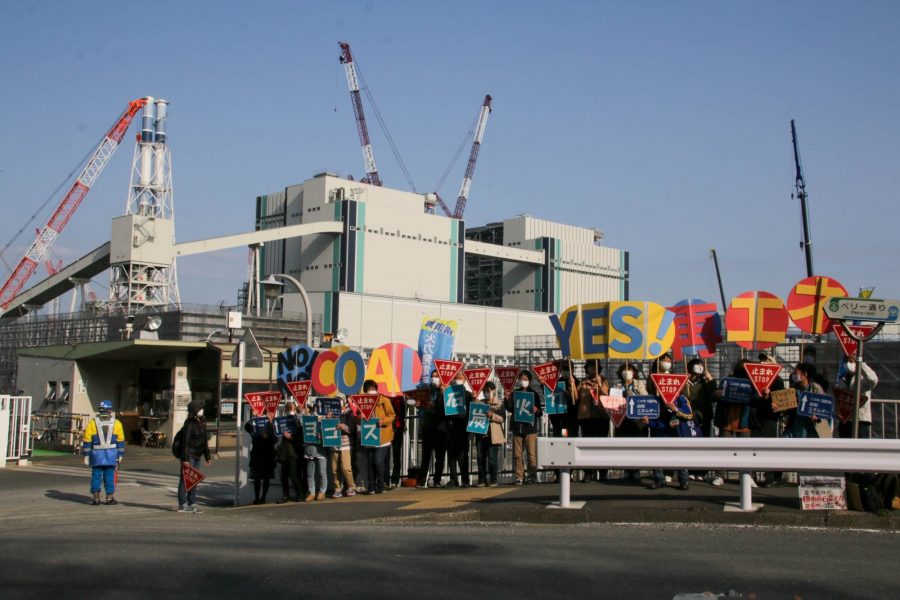
This growing concern sparked real resistance. The Make Amazon Pay movement organizes strikes and walkouts across more than thirty countries on Black Friday. Workers use the spotlight to push for better labor conditions and environmental action. Activist groups also target ads with “subvertising”, replacing commercial messaging with critiques of extreme consumerism.