
Ukraine has taken a close look at the missiles Russia is firing, and the results are surprising. A detailed forensic analysis of North Korean KN-23 and KN-24 ballistic missiles shows that much of the internal tech feels stuck in the 1970s. That sounds outdated, and it is, but the story does not end there.
Engineers in Ukraine physically took apart missile debris from strike sites. What they found was not sleek or modern. It looked more like something built decades ago, using older methods that most advanced militaries left behind long ago. Yet these missiles still work, and that makes them more dangerous than they seem at first glance.
Inside the Missiles, Old Methods Still in Use
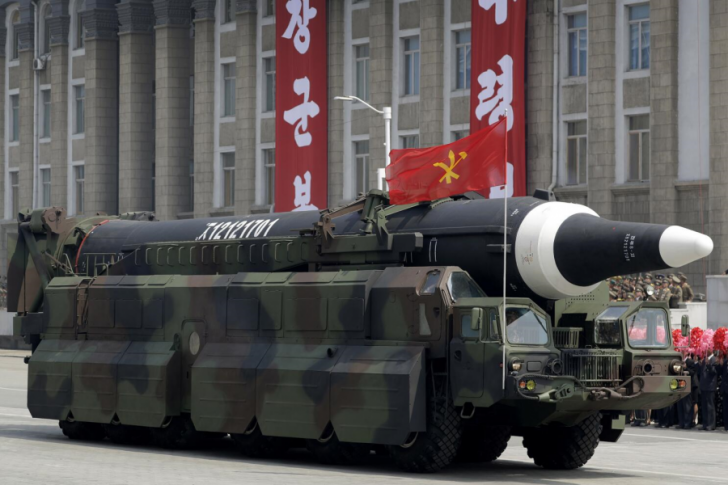
E News / Ukrainian experts found soldering techniques and assembly styles that were common around fifty years ago. The craftsmanship looked basic, almost crude by modern standards, but it was still functional.
Materials told a similar story. Instead of advanced heat-resistant composites, the missiles rely on graphite for thermal protection. Graphite is cheaper and easier to work with, but it does not match the performance of modern materials used in systems like Russia’s Iskander-M. Even so, it gets the job done, which matters more than elegance in wartime.
The propulsion system revealed another major gap. North Korea appears to use low-energy fuel, which limits efficiency. To make up for that, engineers simply scale up the engine size. The KN-23 rocket motor is about one and a half times longer than its Russian counterpart.
A Patchwork of Commercial Electronics
Sanctions have forced North Korea into a tight corner when it comes to sourcing parts. The forensic analysis shows that these missiles rely heavily on commercial, off-the-shelf electronics. Components from various global brands show up inside the systems.
This mix-and-match approach suggests flexibility. Instead of waiting for specialized military parts, engineers use whatever is available and adapt it. That can create inconsistencies, but it also allows production to continue despite heavy restrictions. In a conflict, availability often matters more than ideal design.
It is easy to assume that older tech means weaker performance, but that is not the case here. The KN-23 and KN-24 missiles use quasi-ballistic trajectories. They can maneuver during the final phase of flight, which makes them harder to intercept.
Air defense systems like the Patriot are designed to stop threats like these, but maneuvering missiles complicate the job. Even if the internal tech is outdated, the flight behavior adds a layer of unpredictability. That keeps them relevant on the battlefield.
From High Failure Rates to Better Accuracy
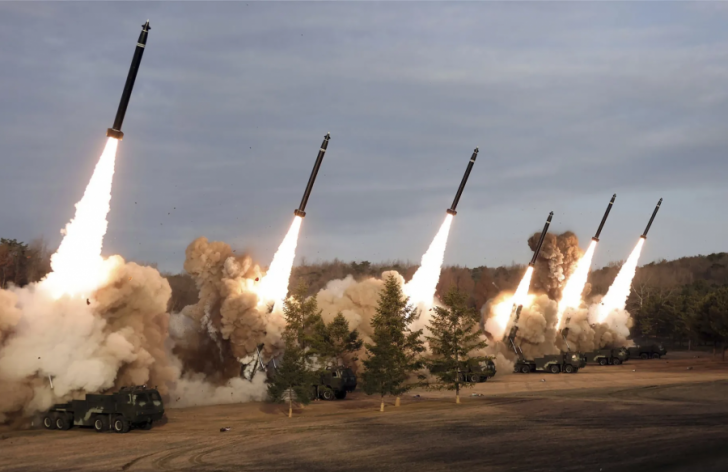
KN News / Early reports suggested that these missiles had serious reliability issues. Some batches reportedly failed at rates as high as 50%.
That kind of performance would limit their usefulness in a sustained campaign.
However, the situation appears to be improving. Russian engineers are believed to be helping refine these systems using real battlefield data. Accuracy has reportedly improved from errors measured in hundreds of meters to around fifty meters. That shift makes a big difference in practical terms.
North Korea supplies missiles and artillery to Russia, helping fill gaps in stockpiles. In return, Russia provides technical feedback and real-world testing data.
There are also signs of direct involvement. Analysts note reports of North Korean engineers in the Donetsk region, observing performance and identifying defects. This kind of hands-on collaboration speeds up improvements and strengthens ties between the two countries.